
Anxiety Therapy in Hudson and Bolton, MA
Can Therapy Improve My Anxiety? NEW CLIENT INQUIRYCALL TO BOOKMany people who seek anxiety therapy might notice stress living in the body through headaches, muscle tension, stomach discomfort, or difficulty sleeping. Over time, the constant effort to manage anxiety can make it harder to concentrate, follow through on tasks, or feel like yourself. You may begin avoiding situations, overthinking decisions, or worrying about how anxiety affects the people around you.
Anxiety may begin as a response to stress, pressure, life changes or uncertainty, and, over time, become woven into daily life. You may find yourself anticipating problems or staying on alert even when things are relatively calm. Anxiety therapy offers space to understand how these patterns formed, and rather than focusing on eliminating anxiety, the work centers on noticing how it shows up in thoughts, emotions, and physical responses. As this awareness grows, many people begin to experience more choices in how to respond.


What to Expect in Therapy for Anxiety
Therapy for anxiety often begins by creating space to pause and take stock of what you’ve been living with. Early sessions focus on listening and understanding: how anxiety shows up for you, what feels most present right now, and what has helped or made things harder along the way. As sessions continue, the work may gently support you in noticing patterns: how anxiety moves through your thoughts, your body, and your daily routines.
This can include learning simple grounding strategies when anxiety feels overwhelming, exploring worry cycles, or building tools that support steadiness in the moment. For many people, there is also space to explore deeper layers of anxiety. This is especially true when it has been present for a long time or feels connected to earlier experiences or relationships. The process remains collaborative and responsive, adjusting as your needs shift. develop.
Feel Supported in Anxiety Therapy
Choosing anxiety therapy often comes after spending a long time trying to manage on your own. You may have learned how to function through worry, tension, or overwhelm, even when it takes a great deal of energy. Our intention is to offer a space where you don’t have to keep holding everything together.
Throughout the process, the focus remains on helping you feel grounded, informed, and supported as things unfold. Your experience guides the pace. Adjustments are made along the way to reflect what feels manageable and respectful of what you’re carrying. Whether anxiety has been present for years or has become more noticeable recently, our goal is to help you find relief.

Feel Supported in Anxiety Therapy
Choosing anxiety therapy often comes after spending a long time trying to manage on your own. You may have learned how to function through worry, tension, or overwhelm, even when it takes a great deal of energy. Our intention is to offer a space where you don’t have to keep holding everything together.
Throughout the process, the focus remains on helping you feel grounded, informed, and supported as things unfold. Your experience guides the pace. Adjustments are made along the way to reflect what feels manageable and respectful of what you’re carrying. Whether anxiety has been present for years or has become more noticeable recently, our goal is to help you find relief.
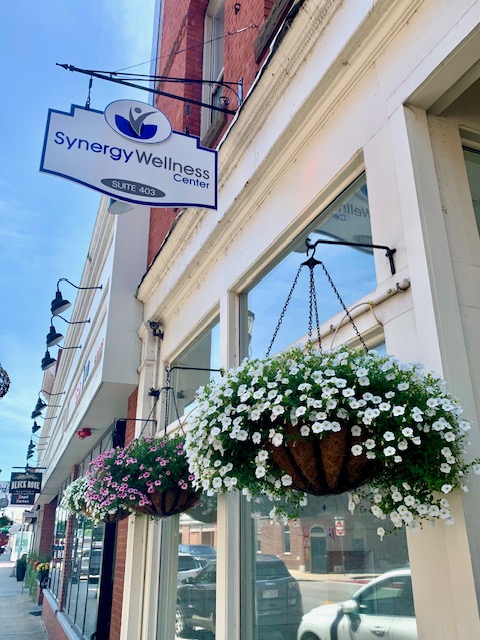
Our Approach to Anxiety Therapy at Synergy Wellness Center
At Synergy Wellness Center, anxiety therapy is grounded in the understanding that anxiety develops for many reasons and looks different for each person. Everyone arrives with their own history, nervous system, and relationship to anxiety. Early sessions often focus on building awareness and steadiness. We will support you in recognizing patterns, understanding triggers, and developing tools for regulation when anxiety feels overwhelming. Attention is given not only to anxious thoughts, but also to how anxiety lives in the body.
Our anxiety therapists draw from a range of evidence-based and trauma-informed approaches to support anxiety therapy. This may include Cognitive Behavioral Therapy (CBT), EMDR, Acceptance and Commitment Therapy (ACT), and Internal Family Systems (IFS). It may also involve mindfulness-based practices, emotion-focused work, and somatic or mind–body techniques.
Insurance
Synergy therapists accept the following insurance for in person and telehealth counseling sessions at our mental health clinics in Hudson and Bolton:
- Blue Cross Blue Shield
- Tufts Health Plan
- Harvard Pilgrim
- United Healthcare
- Mass General Brigham Health Plan
- Aetna
Questions About Anxiety Therapy
It’s natural to have questions about anxiety therapy. Many people wonder what therapy involves and how the process unfolds over time. The questions below reflect what often comes up for those exploring anxiety therapy through Synergy in Hudson and Bolton, and are meant to offer clarity as you consider your next steps.
Is Therapy Worth It for Anxiety?
Absolutely. Instead of spending all your energy managing worry, tension, overthinking, or self-criticism, you begin to understand what’s happening and respond with more steadiness and care. At Synergy Wellness Center, anxiety therapy isn’t treated like a quick fix.
It’s a supportive, collaborative process that helps you make sense of patterns in your thoughts, body, and daily life while building tools you can actually use in real time. Over time, many people find that anxiety feels less controlling because they feel more grounded, clearer, and better able to move through life without constantly bracing.
Do I Need Therapy for Anxiety?
Many people hesitate, especially when they’ve learned to function through it, even when it’s exhausting. Anxiety therapy can be helpful when your anxiety feels persistent or hard to untangle. It can also be beneficial when anxiety starts shaping how you sleep, focus, follow through, make decisions, set boundaries, or show up in relationships. At Synergy Wellness Center, therapy is a space to sort through what you’re carrying and explore what support would feel most useful for you.
What Is the Best Therapy for Anxiety?
There isn’t one “best” therapy for everyone because anxiety is shaped by many factors — stress, life experiences, relationships, and how your nervous system has learned to respond over time. Some people benefit from approaches that help shift thought patterns, like CBT. Others find more relief through ACT, IFS/parts work, EMDR, mindfulness, or somatic and mind–body strategies that focus on regulation. At Synergy Wellness Center, anxiety therapy is tailored rather than prescribed.
How Long Are People in Therapy for Anxiety?
There’s no set timeline for anxiety therapy. Some people find short-term work helpful when they want support with specific symptoms like spiraling, overwhelm, sleep issues, or avoidance. Others benefit from longer-term therapy when anxiety has been present for years. This is especially true when it feels tied to deeper patterns like chronic hypervigilance, self-criticism, or earlier relational experiences. At Synergy Wellness Center, the pace and duration of your therapy are shaped collaboratively. We adjust your treatment plan, whether your focus is on immediate relief, deeper understanding, or both.
What Type of Therapist Is Best for Anxiety?
The best therapist for anxiety is often someone with whom you feel comfortable and steady. They should understand anxiety and be able to adapt their approach. Many therapists who treat anxiety use evidence-based methods like CBT and ACT, and incorporate approaches such as IFS/parts work, EMDR, mindfulness, and somatic strategies to support nervous system regulation. At Synergy, the match matters. Our intake team considers your concerns, goals, and preferences to connect you with a therapist whose style and strengths align with you.
What Does an Anxiety Therapist Do?
An anxiety therapist helps you understand how anxiety impacts your life mentally, physically, and emotionally. Sessions often involve noticing patterns like overthinking, spiraling, avoidance, or hypervigilance. Together, they work with you to build grounding and coping tools and developing a kinder, more supportive relationship with yourself when anxiety shows up. For some, this also includes exploring the deeper roots of anxiety, especially when it’s tied to earlier experiences or long-standing stress.
Is Anxiety Curable?
Anxiety is a natural human response. The goal isn’t to erase it completely but to reduce its control and make it easier to manage. Many people find that, through anxiety therapy, worry softens and physical tension becomes more manageable. Sleep and focus improve, and anxious patterns feel less consuming. At Synergy Wellness Center, anxiety therapy focuses on building awareness, regulation skills, and self-trust. This helps you notice and respond to anxiety rather than letting it run in the background of your life.
What Triggers Anxiety?
Anxiety can be triggered by stressors like work pressure, relationship strain, health concerns, life transitions or past trauma. It can also arise during quieter moments of uncertainty, feeling stretched thin, or a general sense of being “on guard.” Thoughts, memories, body sensations, or beliefs can spark anxiety before you consciously realize it. Sleep loss, fatigue, hunger, and chronic stress can lower resilience. At Synergy Wellness Center, therapy helps you identify what activates anxiety in your system. This way, triggers feel less mysterious, and you gain more understanding and choice in how you respond.
Can I Get Rid of Anxiety Without Medication?
Many people experience meaningful change through therapy without medication. This is especially true when the focus includes nervous system regulation, practical coping tools, and understanding patterns beneath anxiety. Anxiety therapy can help you interrupt worry cycles, work with avoidance patterns, and build distress tolerance. It also helps you develop strategies that support sleep, focus, boundaries, and day-to-day steadiness. At Synergy Wellness Center, we also recognize that medication can be an effective adjunct to therapy, providing relief while new strategies gained through therapy take hold.
Therapy Fees
Initial Intake
60 minutesSession
60 minutesSession
45 minutesSession
30 minutesSynergy Wellness Center
45 Main St, 4th Floor
Hudson, MA 01749
563 Main Street, 2nd Floor
Bolton, MA 01740
Synergy In the News
For Media Inquiries
Please Contact:
LBL PR | Email: liz@barddesignandpr.com
Best of the best 2024

Best Place to Work
Best Yoga/Pilates Studio
Best Acupuncture