
EMDR Therapy in Hudson and Bolton, MA
Support That Honors the Mind–Body Connection NEW CLIENT INQUIRYCALL TO BOOKMany people who consider EMDR therapy have already done a great deal of reflecting, processing, or talking things through. You might understand what happened and know, logically, that you are safe now. And yet, your body still responds with fear, tension, or shutdown. Sleep may feel unsettled, focus may come and go.
EMDR therapy creates a place to pause and feel supported as you explore what has been lingering beneath the surface. At Synergy Wellness Center, we offer this work in a grounded, compassionate setting where your experiences are met with care and respect. Care unfolds collaboratively, with attention to what feels manageable and supportive in the moment.

What is EMDR Therapy?
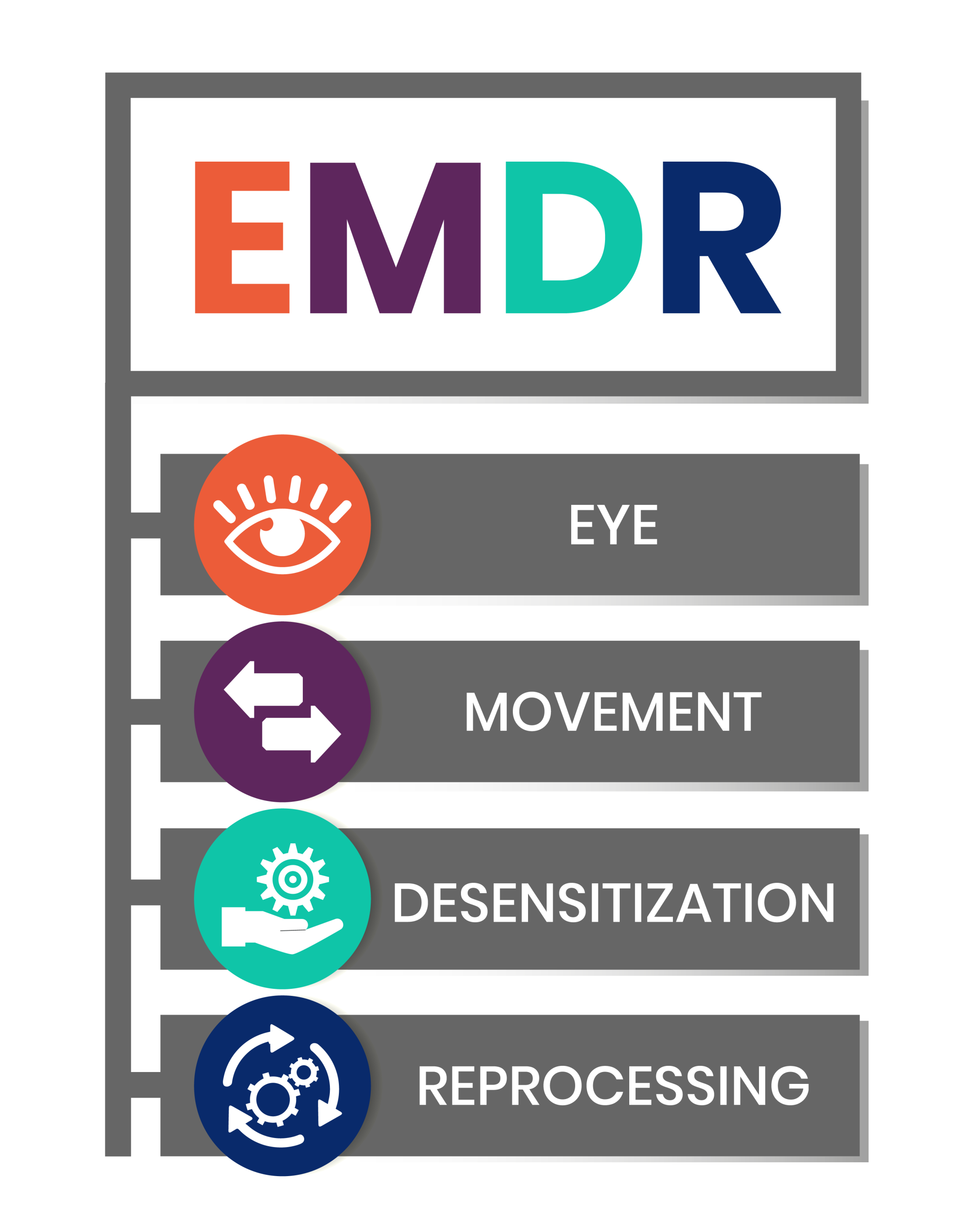
Eye Movement Desensitization and Reprocessing, often referred to as EMDR therapy, is a therapy that supports a natural process of integration. Rather than relying only on talking through what happened, the work creates space for experiences to be revisited and reorganized. This allows them to feel less immediate and less overwhelming.
This approach can be used with children, adolescents, and adults. It is often supportive for those navigating trauma, anxiety, panic, depression, grief, or other experiences that have left a lasting emotional impact. While each person’s process looks different, the work is guided by the brain’s natural ability to move toward integration and healing. Throughout EMDR therapy in Hudson and Bolton, we focus on helping you feel grounded, informed, and supported at each step. Your experience guides the work, with pacing adjusted throughout the process.
How Does EMDR Work?
EMDR works by supporting the brain’s natural ability to revisit and reorganize overwhelming or distressing experiences in a way that feels more manageable. Until experiences become fully integrated, parts of the experience may remain closely tied to the original emotions, sensations, or beliefs, continuing to influence how you feel in the present. During EMDR sessions, attention is gently guided between the present moment and aspects of a past experience. Bilateral stimulation (such as eye movements, sounds, or tapping) is then introduced.
The added stimulation creates a kind of rhythm that allows the brain to stay grounded in the present while revisiting what has been difficult to hold. Over time, memories often become less vivid, less emotionally charged, and easier to place in the past. Rather than erasing what happened, EMDR allows experiences to be updated with present-day understanding and perspective. often begin to shift, making space for greater ease, flexibility, and connection in daily life.
How Does EMDR Work?
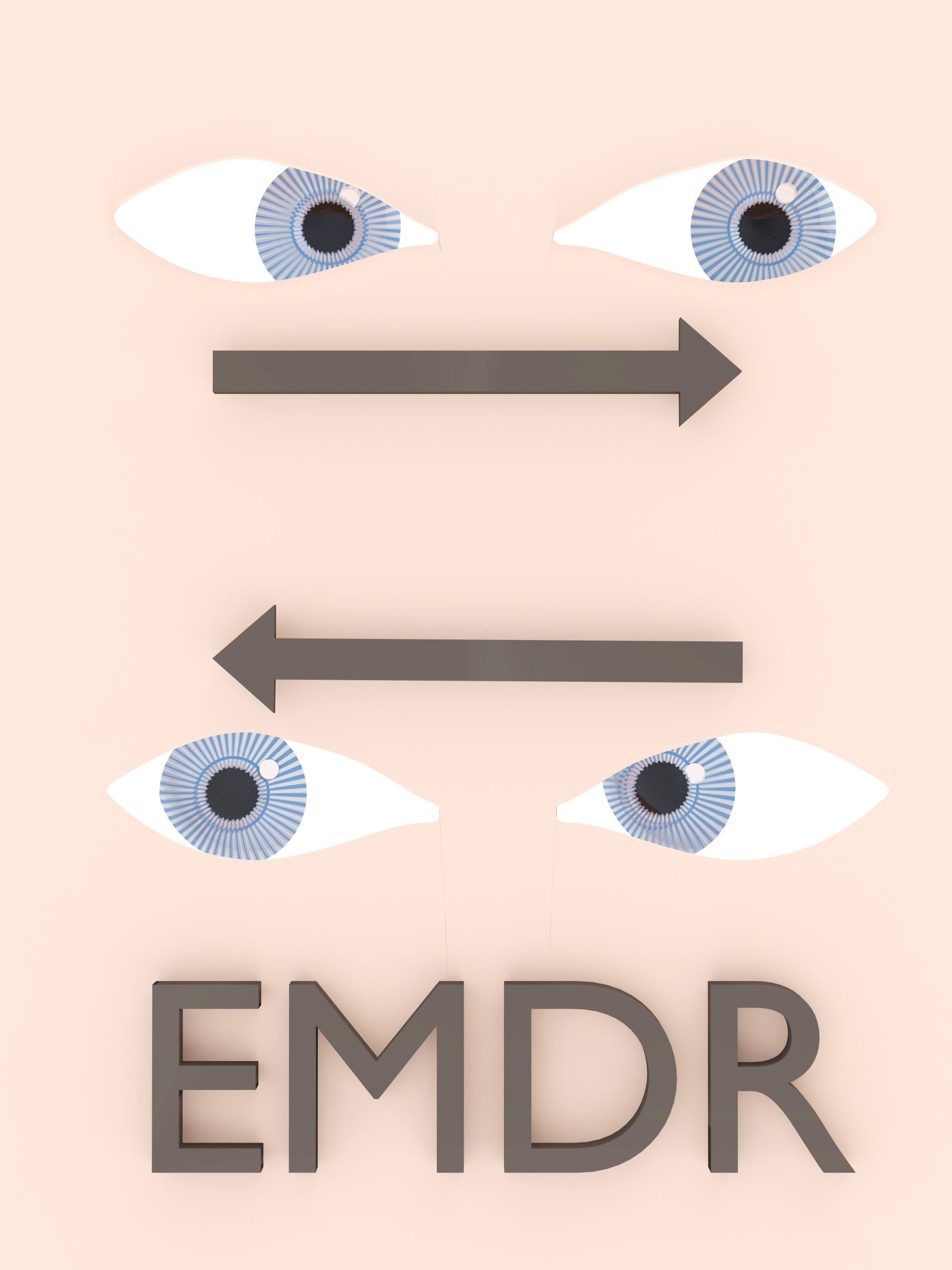
EMDR works by supporting the brain’s natural ability to revisit and reorganize overwhelming or distressing experiences in a way that feels more manageable. Until experiences become fully integrated, parts of the experience may remain closely tied to the original emotions, sensations, or beliefs, continuing to influence how you feel in the present. During EMDR sessions, attention is gently guided between the present moment and aspects of a past experience. Bilateral stimulation (such as eye movements, sounds, or tapping) is then introduced.
The added stimulation creates a kind of rhythm that allows the brain to stay grounded in the present while revisiting what has been difficult to hold. Over time, memories often become less vivid, less emotionally charged, and easier to place in the past. Rather than erasing what happened, EMDR allows experiences to be updated with present-day understanding and perspective. often begin to shift, making space for greater ease, flexibility, and connection in daily life.

Our Approach to EMDR Therapy at Synergy Wellness Center
At Synergy Wellness Center, EMDR therapy is offered as part of a thoughtful, individualized approach to care. The work begins with taking time to understand your experiences and the challenges you’re navigating now. EMDR is never rushed or applied in a one-size-fits-all way; it is integrated carefully and collaboratively.
Before any reprocessing begins, your EMDR therapist works with you to build skills that support emotional regulation and stability. This foundation helps ensure EMDR feels manageable and grounded, even when working with difficult material. Throughout the process, attention is given to both past experiences and how they continue to influence your present-day life.
EMDR may also be integrated with other therapeutic perspectives depending on your needs. These can include Internal Family Systems (IFS), mindfulness-based practices, cognitive behavioral therapy, emotion-focused approaches and somatic therapy.
Insurance
Synergy therapists accept the following insurance for in person and telehealth counseling sessions at our mental health clinics in Hudson and Bolton:
- Blue Cross Blue Shield
- Tufts Health Plan
- Harvard Pilgrim
- United Healthcare
- Mass General Brigham Health Plan
- Aetna
Questions About EMDR Therapy
EMDR can feel unfamiliar at first, and it’s natural to have questions as you consider whether it’s the right intervention for you. Many people wonder what sessions are like, how the process feels, or what to expect along the way.
The questions below reflect what often comes up for people who are curious about EMDR therapy.
What are the 8 Phases of EMDR?
The EMDR process unfolds in a series of phases that are designed to support safety, pacing, and integration. The early phases focus on understanding what you’re experiencing and building a sense of stability and trust. Your EMDR therapist takes time to learn your history, identify goals, and help you develop grounding tools that support you both during and outside of sessions. As the work progresses, attention is gently brought to specific memories, emotions, or beliefs that feel connected to what you’re struggling with now.
With the support of bilateral stimulation, these experiences are revisited in a way that allows the brain to process and update them, rather than relive them. Throughout the process, your therapist checks in with you, helps regulate emotional intensity, and ensures that you feel supported and oriented to the present. The final phases focus on integration: helping new insights, shifts, or changes settle into daily life. While the EMDR model is structured, the experience itself is flexible and responsive to each person’s needs.
How Do I Prepare For My First EMDR Session?
Preparing for your first EMDR therapy session doesn’t require doing anything perfectly or having everything figured out ahead of time. It can be helpful to arrive with a general sense of what you’d like support with, even if the details feel unclear.
Your therapist will guide the conversation and help you identify what feels most important to focus on. Getting enough rest, eating beforehand, and allowing a bit of space before and after your session can also support your nervous system as you begin this work. EMDR preparation is paced thoughtfully and collaboratively. The goal is not to push or rush, but to ensure you feel grounded, resourced, and ready to move forward in a way that feels steady and manageable.
Can EMDR Therapy Be Done Online?
EMDR therapy can be done through secure telehealth sessions, and many people find EMDR therapy online to be both effective and supportive. For some, meeting from home offers an added sense of comfort and ease. Online EMDR therapy is approached with the same care, pacing, and attention to safety as in-person work.
Our EMDR therapists take the time to help you feel oriented to the process and ensure grounding tools are in place. They will also adapt sessions so they feel steady and manageable in a virtual setting. Bilateral stimulation can be facilitated in ways that translate well to telehealth, allowing the work to unfold without needing to be physically present in the office. Together with your therapist, you can explore which format feels most supportive, knowing that flexibility and accessibility are part of the care offered.
Do You Talk During EMDR Therapy?
Yes, there is usually some talking during EMDR therapy, though it often looks different than in traditional talk therapy. This includes time to check in, name what feels important to focus on, and make sure you feel grounded throughout the session. During the processing itself, you aren’t expected to talk continuously or describe everything in detail. Many people share brief reflections (such as a word, image, feeling, or body sensation) as the work unfolds.
Others notice shifts internally without needing to say much at all. EMDR therapy is designed to let the brain do much of the work, with your therapist offering support along the way. The focus is not on telling your story perfectly. Instead, it’s on creating a safe, collaborative space where your experience can unfold naturally and at a pace that feels manageable.
Do You Cry During EMDR?
Emotional responses vary widely. Some people notice strong feelings, others feel calm or neutral, and some experience the work more in their body than through emotion. All of these responses are part of the process. During EMDR sessions at Synergy Wellness Center, our EMDR therapists closely monitor how emotions are unfolding.
If tears come up, they’re met with care and grounding. If they don’t, that’s equally valid. EMDR does not rely on emotional intensity to be effective. What’s most important is that you feel supported and able to stay present. Our EMDR therapists focus on helping you remain connected to the here and now.
Does EMDR Work if You Can't Remember the Trauma?
Many people notice the effects of past experiences long before they can identify their origins. These effects often appear as patterns of anxiety, emotional reactions, physical sensations, or deeply held beliefs that feel familiar but unexplained. EMDR does not depend on detailed recall or a complete narrative. The process follows what your system is ready to address rather than relying solely on what you can consciously remember.
Often, this brings a sense of relief for people who have felt stuck trying to “figure it out” through memory alone. Within EMDR therapy at Synergy Wellness Center, the focus stays on supporting your present experience and allowing change to unfold without pressure to retrieve or explain the past. Healing does not require remembering everything. It requires space, support, and a process that respects how experiences are held in the body and mind.
How Quickly Can EMDR Work?
There isn’t a single timeline for EMDR. Some people notice feeling less reactive, sleeping more soundly, or experiencing moments of relief. For others, change unfolds more gradually. The pace is shaped by what you’re working on, how long it’s been present, and what feels supportive for your system. Rather than focusing on speed, EMDR emphasizes readiness and integration, allowing changes to take hold without feeling rushed.
For long-standing or complex experiences, EMDR may take place over multiple sessions. Time is built in for grounding, reflection, and integration between phases. Within EMDR therapy, progress is seen as an ongoing journey rather than a finish line. Your therapist will check in with you along the way, adjusting the pace as needed so the work remains supportive, intentional, and aligned with your needs.
Who is Not Appropriate For EMDR?
EMDR can be helpful for many people, but it isn’t always the right starting point for everyone. This doesn’t mean EMDR is off the table; it simply means care is taken to ensure the timing and approach feel supportive rather than overwhelming. Some people may benefit from first focusing on building coping skills, emotional regulation, or a sense of safety.
This is especially true if they are experiencing significant instability, active substance use, or difficulty staying grounded in the present. Others may need time to address immediate life stressors or strengthen support systems before moving into trauma-focused work. Your therapist will work collaboratively with you to determine what feels most appropriate for where you are right now.
When Should EMDR Not Be Used?
There are times when EMDR therapy may not be the right approach. Certain moments call for slowing down and focusing on stabilization. In these situations, creating a sense of safety and support often matters more than processing past experiences. EMDR is typically paused or delayed during periods of acute crisis, major life disruption, or when stress levels are already overwhelming. This might include times of active grief, immediate safety concerns, or significant life transitions.
It could also apply when emotional or physical resources feel stretched thin. Beginning EMDR during these moments can feel like too much, and honoring that timing is an important part of care. EMDR can often be revisited once things feel more settled. Deciding when to use EMDR is a collaborative process, guided by your therapist’s clinical judgment and your own sense of readiness
Therapy Fees
Initial Intake
60 minutesSession
60 minutesSession
45 minutesSession
30 minutesSynergy Wellness Center
45 Main St, 4th Floor
Hudson, MA 01749
563 Main Street, 2nd Floor
Bolton, MA 01740
Synergy In the News
For Media Inquiries
Please Contact:
LBL PR | Email: liz@barddesignandpr.com

Best of the best 2024

Best Place to Work
Best Yoga/Pilates Studio
Best Acupuncture